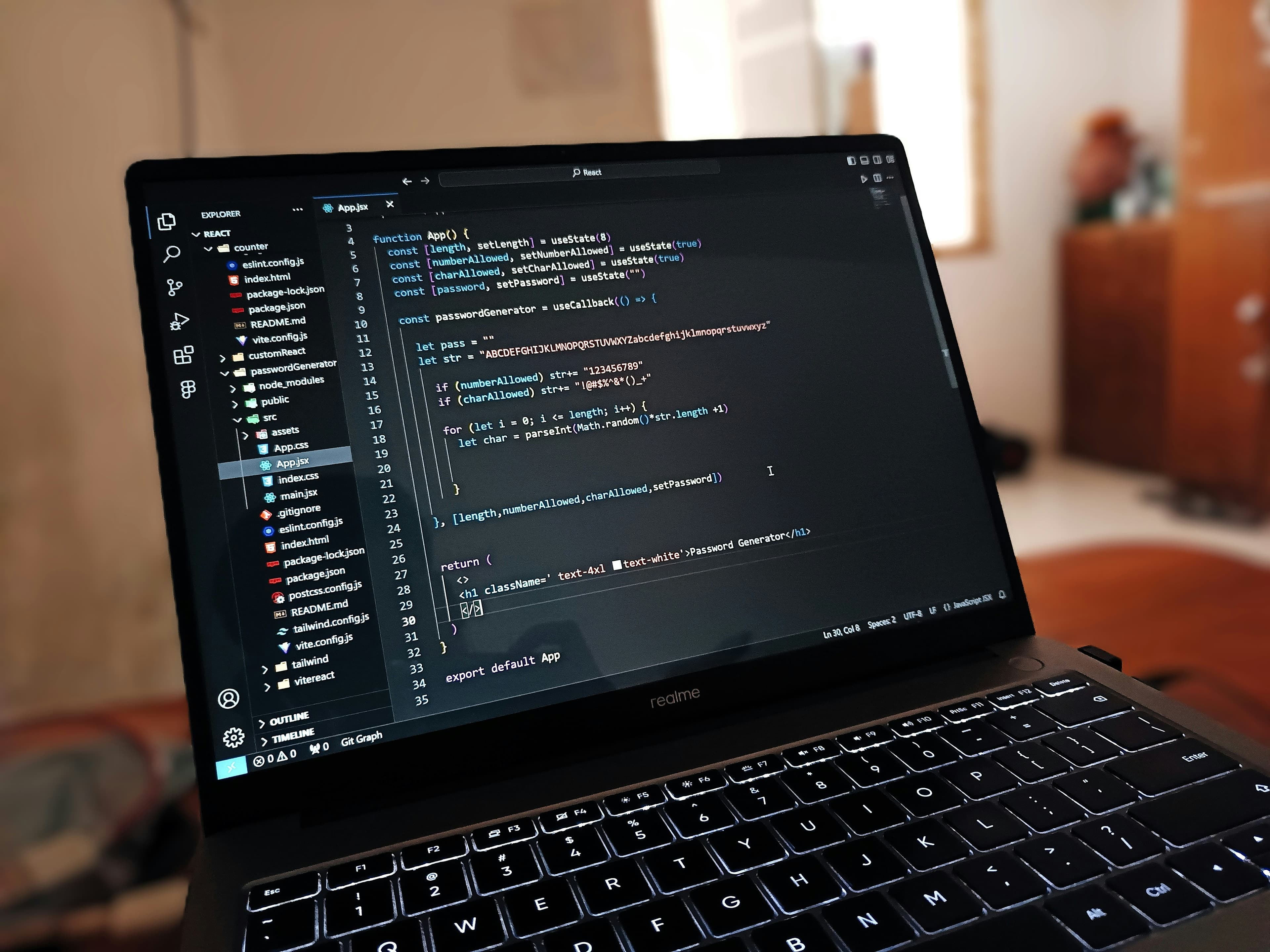
Last week I shipped the first version of a multi-channel commerce platform. Over nine thousand lines of code. Fifty-nine files. Full authentication, product management, order tracking, an Instagram integration mock, Pesapal payment stubs, and Railway deployment config. One session. Claude Code wrote most of it. That is the obvious part. The non-obvious part is what that changes about how you think when you are building.
The Velocity Is Real, But You Are Thinking About It Wrong
Most developers talk about Claude Code as a faster way to write code. It is. But framing it as a typing accelerator misses what it actually does. The bottleneck in building software was never typing speed. It was the cost of attempting complexity.
When a feature would take three days to scaffold properly, you thought twice before committing to the right architecture. You compromised. You deferred. You shipped the simpler version and accumulated technical debt you never had time to clear.
Claude Code removes that calculus. If the right architecture takes roughly the same time as the shortcut, you build the right thing. The constraint shifts from execution to judgment. That is a fundamentally different mode of working.
The ceiling on what a solo operator can attempt just moved up significantly.
Planning Mode and the Spec-First Shift
The most useful thing I have learned about working with Claude Code is not a prompting technique. It is an approach: invest more time before you write a single line of code.
Anthropic built a mode for this called Plan. Before any significant feature, the model reads the entire codebase, surfaces the dependencies you have not thought about yet, and produces a written implementation plan. You review it. You push back on the decisions you disagree with. Only then does it start building.
This sounds like it should slow you down. It does not. Features that used to produce two days of debugging because of hidden side effects now land cleanly the first time. The spec does the work the debugging used to do. What you lose in spontaneity you gain back in predictability, and on a client project with a fixed timeline, predictability is everything.
- Complex multi-file changes land without conflicts
- Architecture decisions get documented as they happen
- You can review the plan with a client before a single line is written
OpenClaw: The Layer Above the Code
Claude Code handles the codebase. But the codebase is not the whole job.
Running a consultancy means tracking four simultaneous projects, staying current with industry signals, managing client relationships, and maintaining the institutional knowledge that makes good judgment possible across all of it. That is not a coding problem. It is a coordination and memory problem.
OpenClaw is an AI operating layer built on top of Claude. Not a chatbot in a browser tab. An agent with persistent memory, cron scheduling, WhatsApp integration, and the ability to spawn sub-agents for specific tasks.
My morning briefing arrives on WhatsApp before 8am: Kenya business development signals, global tech news, a LinkedIn draft, a blog post already pushed to production. Nightly pre-compute jobs run at midnight so the morning takes seconds instead of hours. Memory files persist across sessions so context does not reset after every restart.
Together, Claude Code and OpenClaw cover the full surface area of running a technology business as a solo operator. Claude Code handles the code. OpenClaw handles the business. The combination is something I genuinely could not have built a year ago, and could not run without today.
What This Means If You Are Building in Kenya
The leverage available to a well-set-up operator in 2026 is real. I am running a 26-week enterprise CRM build, a gym management system migration, a commerce platform for Instagram sellers, and a tourism website simultaneously. As a solo founder. That was not possible before this tooling existed, not without a team and not without serious coordination overhead.
The constraint has shifted. It is not budget or technical capacity anymore. The question is not whether you can build something. The question is whether you have clear enough thinking about what you want and the discipline to build it properly from the start.
If you are a professional services firm in Kenya thinking about what your software infrastructure should look like: the window is open. The tools are real. The velocity gains are not theoretical. Come talk to us at kaara.works.
Want to discuss AI for your business?
Let's talk about what to build and how to ship it.